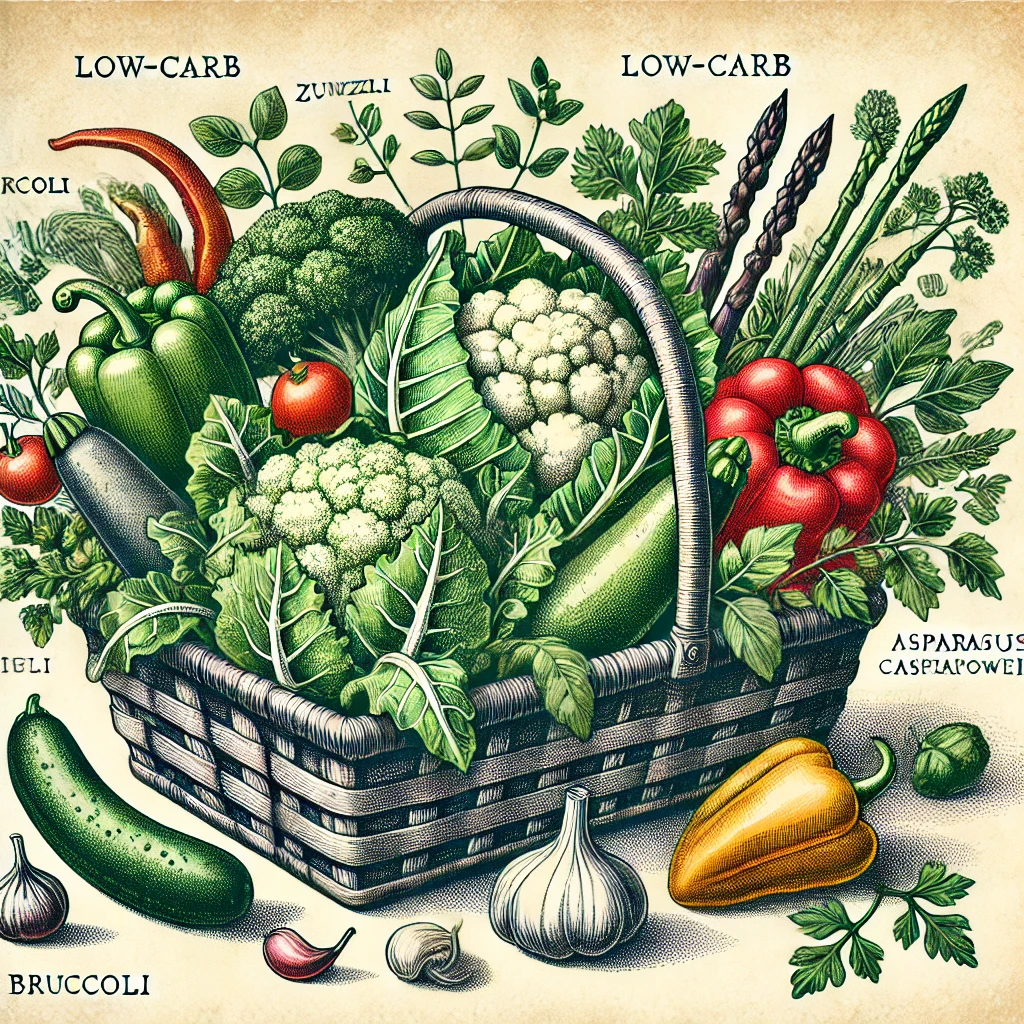
When you’re managing diabetes or focusing on a low-carb diet, not all vegetables are created equal. At Diabetic Kitchen Diary, I prioritize recipes that celebrate the versatility and flavor of low-carb vegetables. Here’s why they take center stage:
What Are Low-Carb Vegetables?
Low-carb vegetables are those that contain fewer digestible carbohydrates (net carbs) per serving. Net carbs are calculated by subtracting fiber from total carbohydrates, as fiber doesn’t spike blood sugar levels. These vegetables are nutrient-dense, packed with vitamins, minerals, and antioxidants, while being lower in starch and sugar compared to high-carb options.
Examples of low-carb vegetables include:
• Leafy Greens: Spinach, kale, arugula, and lettuce varieties.
• Cruciferous Vegetables: Broccoli, cauliflower, Brussels sprouts, and cabbage.
• Alliums: Garlic, onions (in moderation), leeks, and scallions.
• Other Low-Starch Choices: Zucchini, cucumbers, peppers, asparagus, and mushrooms.
Why Are Low-Carb Vegetables Important for Diabetes Management?
1. Blood Sugar Control: Low-carb vegetables have minimal impact on blood sugar, helping to maintain stable glucose levels.
2. Satiety Without Spikes: The fiber in these vegetables promotes fullness without causing the blood sugar rollercoaster that starchy vegetables or grains might trigger.
3. Nutrient Density: They provide essential nutrients without unnecessary carbs, making them a cornerstone for healthy eating.
4. Flexibility in Meals: Their versatility means you can create everything from hearty salads to comforting stir-fries while sticking to your dietary goals.
How I Use Vegetables in Diabetic Kitchen Diary
Every recipe on Diabetic Kitchen Diary is designed with low-carb principles in mind. I prioritize vegetables that are naturally low in carbohydrates and use carb-dense options—like butternut squash or carrots—strictly in moderation, if at all. By focusing on low-carb options, my dishes:
• Keep net carbs low without sacrificing flavor or creativity.
• Fit seamlessly into low-carb, keto, or diabetes-friendly meal plans.
• Offer endless variety to keep your meals exciting and satisfying.
Your Veggie Partners in the Kitchen
Think of low-carb vegetables as the building blocks for a vibrant, diabetes-friendly diet. Whether it’s a comforting roasted vegetable medley, a refreshing cucumber salad, or a savory stuffed pepper, these ingredients allow you to enjoy delicious, nutrient-packed meals without worrying about blood sugar spikes.
At Diabetic Kitchen Diary, I’m here to show you how these powerhouse vegetables can transform your plate and your health. Stay tuned for recipes that highlight these low-carb heroes!
How do you incorporate low-carb vegetables into your meals? Let us know in the comments!
Leave a Reply