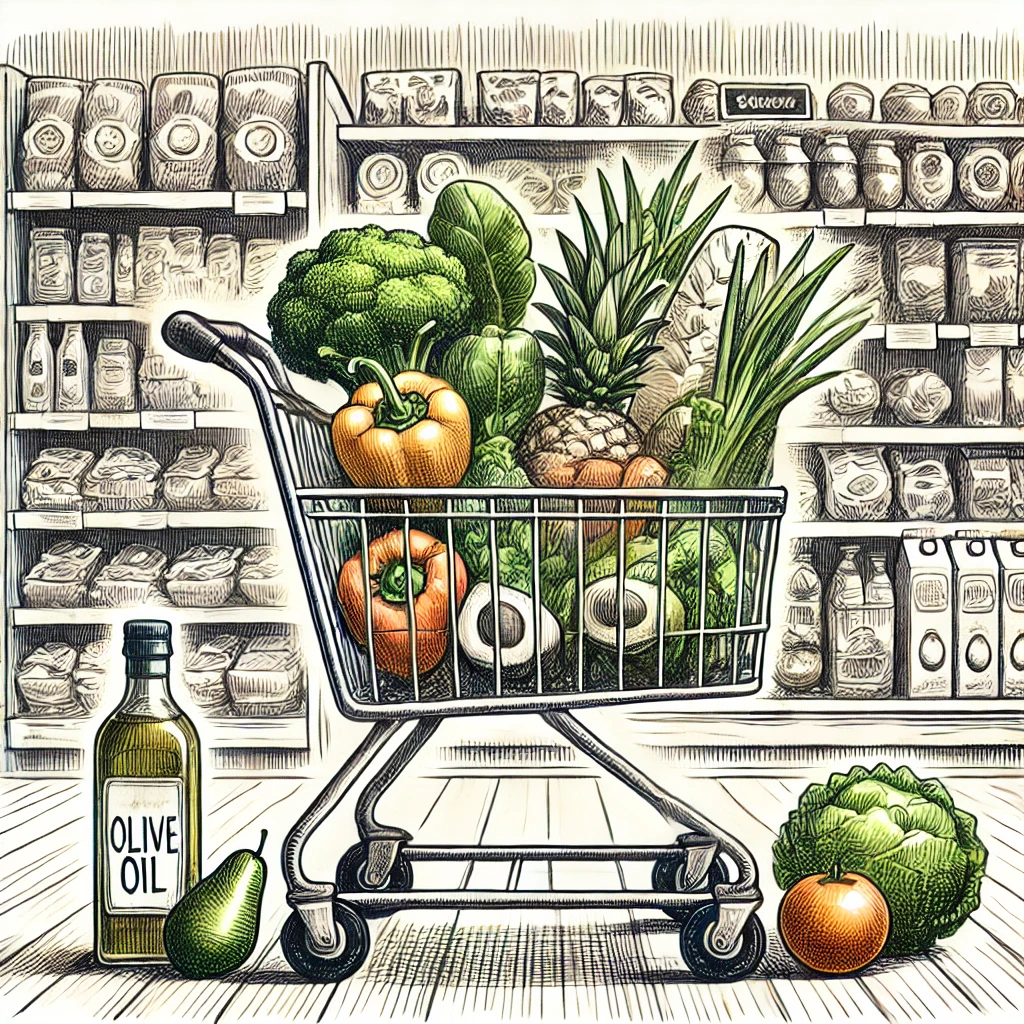
Practical Tips for Balancing Convenience, Nutrition, and Blood Sugar Control
1. Start With the Label: Look at Net Carbs
The most critical number on the nutrition label is net carbs, which is calculated as:
Total Carbohydrates – Fiber = Net Carbs
Net carbs represent the carbohydrates that impact your blood sugar. Foods with lower net carbs are better for managing diabetes. When comparing products, choose the one with fewer net carbs—but don’t stop there.
2. Use Fiber as a Tie-Breaker
If two products have the same net carbs, pick the one with higher fiber. For example:
• Option 1: 3g total carbs, 0g fiber = 3g net carbs
• Option 2: 20g total carbs, 17g fiber = 3g net carbs
Even though both have 3g net carbs, the second option is better. Why? Fiber not only doesn’t raise blood sugar, but it also slows digestion, helping to reduce blood sugar spikes.
3. Choose Foods Low in Saturated Fat
For heart health—a major consideration for people with diabetes—watch out for saturated fats. While it’s okay to include small amounts, prioritize foods with healthy fats like olive oil, avocado, or nuts. For prepackaged foods, aim for products that are low in saturated fat and free of trans fats. Lean proteins, like skinless poultry, fish, or plant-based options, are excellent choices.
4. Prefer Whole Foods When Possible
Prepackaged foods can be a convenient choice, but whenever possible, opt for whole, unprocessed ingredients. Cooking from scratch allows you to:
• Minimize added sugars and starches.
• Include healthy fats and proteins.
• Add flavor with natural herbs and spices rather than salt or sugar.
Even whole foods need carb-checking:
• Vegetables: Non-starchy vegetables like spinach, broccoli, and bell peppers are low in carbs. Watch portions of starchy veggies like sweet potatoes or corn.
• Fruits: Focus on low-glycemic fruits like berries, and consume them in moderation.
• Legumes and Beans: While nutrient-dense, beans can be high in carbs, so measure carefully.
5. Be Wary of “Diabetic-Friendly” or “Low-Carb” Claims
Many packaged foods marketed as “diabetic-friendly” may still have hidden sugars or high amounts of saturated fat. Always verify the nutrition facts yourself. A product labeled as “low-carb” might still have unnecessary additives or unhealthy fats.
6. Quick Tips for Shopping Smart
• Stick to the outer aisles of the store, where whole foods like fresh produce and proteins are usually stocked.
• Look for frozen vegetables without sauces or additives—they’re as nutritious as fresh and last longer.
• For snacks, choose options like raw nuts, seeds, or unsweetened yogurt.
• Avoid foods with long ingredient lists full of unfamiliar words.
In Summary
For the best control over your blood sugar and overall health, focus on whole foods and cook at home whenever possible. If you’re buying prepackaged foods, look for low net carbs, high fiber, and minimal saturated fat. And remember—reading labels carefully is your best defense against hidden sugars and unhealthy additives.
By combining these strategies, you can shop smarter and feel confident that your cart is filled with foods that support your health goals.
Leave a Reply