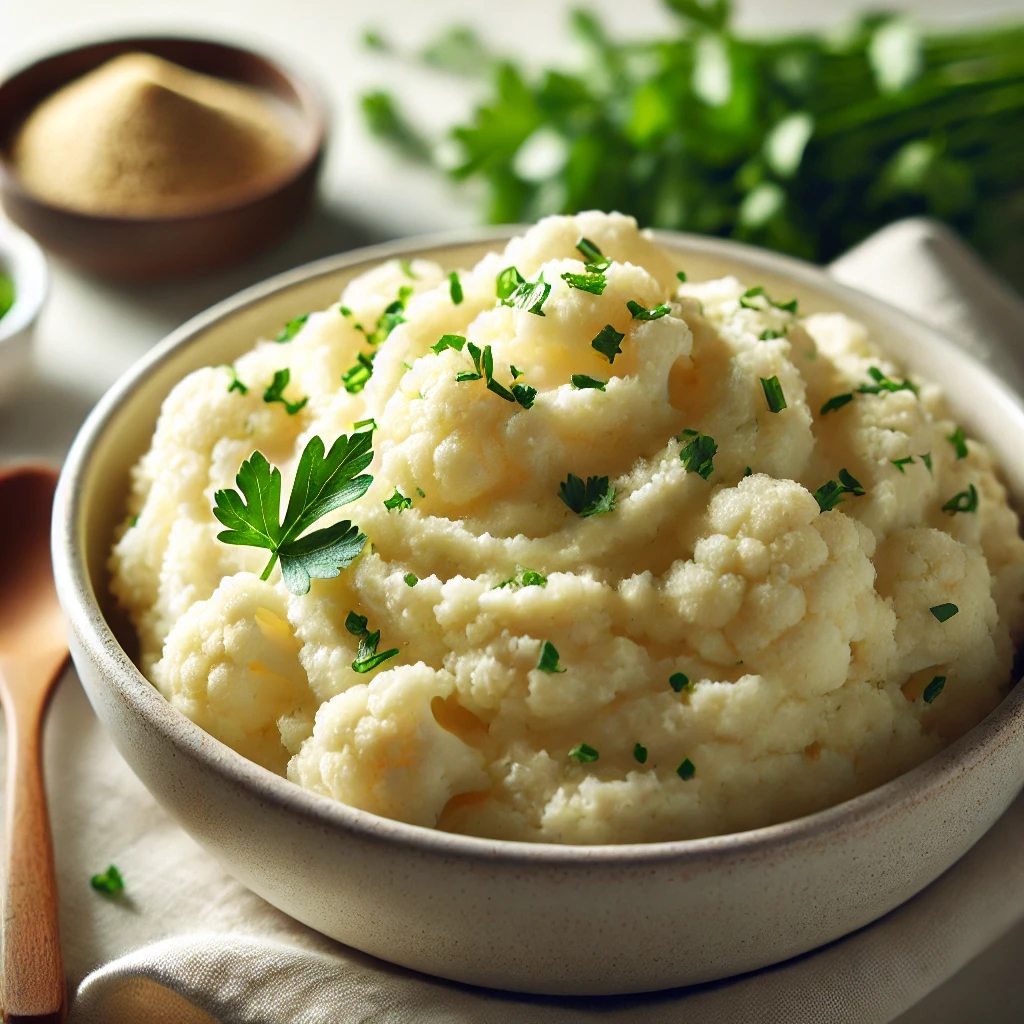
If You’ve Struggled with Watery Mashed Cauliflower, You’re Not Alone
Have you ever eagerly made mashed cauliflower, hoping for a creamy, thick, and satisfying side dish, only to end up with something that looked—and tasted—like soup? Trust me, I’ve been there. It’s one of the most frustrating kitchen moments, especially when you’re trying to make a healthy, low-carb swap for mashed potatoes.
But after learning a few simple techniques, I’ve discovered how to make mashed cauliflower that’s creamy, satisfying, and anything but soggy. With this recipe, you’ll never look back.
Why Mashed Cauliflower Is Perfect for a Diabetic-Friendly Lifestyle
Mashed cauliflower is an incredible alternative to traditional mashed potatoes for anyone managing their blood sugar levels or looking for a low-carb side dish. Here’s why it’s a diabetic-friendly superstar:
- Low in Carbs: Cauliflower is naturally low-carb, making it a fantastic replacement for starchy sides.
- Nutrient-Rich: Packed with fiber, Vitamin C, and Vitamin K, it’s a superfood that nourishes your body while satisfying cravings.
- Versatile: It pairs beautifully with almost any main dish and works as a lighter, healthier topping for casseroles like shepherd’s pie.
However, achieving the perfect mashed cauliflower isn’t always easy. Cauliflower holds a lot of water, and when handled improperly, it can turn into a watery mess. That’s why this recipe focuses on avoiding those pitfalls for consistently amazing results.
The Turning Point: Cracking the Code with Research
After several less-than-ideal attempts, I decided it was time to dig deeper and find out why mashed cauliflower often turns out watery. My research revealed a few critical insights:
- Cook with Precision: Overcooking is one of the biggest culprits. Stop cooking as soon as the cauliflower is fork-tender—soft enough to pierce easily, but firm enough to hold its shape.
- Drying is Key: Cauliflower holds a lot of water, even after draining. Removing residual moisture through proper drying techniques is essential.
- Mashing Method Matters: Over-blending can release even more water from the cauliflower, creating a soupy texture.
Using these principles, I created this foolproof recipe. It’s not about guesswork or luck—it’s about understanding why these steps work so you can consistently achieve creamy, thick mashed cauliflower every time.
5 Simple Steps to Avoid Watery Mashed Cauliflower
- Boil Until Just Fork-Tender: Test the cauliflower with a fork. It should pierce easily but still hold its shape—don’t overcook.
- Drain Thoroughly: After boiling, let the cauliflower sit in a colander for a few minutes to release excess steam.
- Dry in the Pot: Return the drained cauliflower to the pot and cook over low heat for 1–2 minutes, stirring constantly, to remove lingering moisture.
- Mash Carefully: Use a potato masher or immersion blender and mash until smooth but not overworked. Avoid food processors, as they tend to over-blend and release more water.
- Thicken if Needed: Stir in almond flour or nutritional yeast for a thicker, more cohesive mash.
With these techniques in mind, you’re ready to create the ultimate mashed cauliflower. Scroll down for the full recipe!

Perfect Mashed Cauliflower
Ingredients
- 1 large head of cauliflower cut into florets
- 2 tbsp olive oil
- 2 –3 tbsp nutritional yeast
- 1 clove garlic minced (optional)
- 2 tbsp plain Greek yogurt optional
- 1 –2 tbsp almond flour optional
- Salt and pepper to taste
Instructions
Prepare the Cauliflower:
- Cut the cauliflower into evenly sized florets to ensure they cook evenly and avoid undercooking or overcooking.
Boil:
- Bring a large pot of salted water to a boil. Add the cauliflower florets and cook for 8–10 minutes, or until fork-tender. Fork-tender means the cauliflower should pierce easily with a fork but still hold its shape—don’t let it turn mushy.
Drain:
- Drain the cauliflower thoroughly in a colander and let it sit for 3–5 minutes to release excess steam. This is key to avoiding watery mash.
Dry:
- Return the drained cauliflower to the pot and cook over low heat for 1–2 minutes, stirring to evaporate any remaining moisture. This is crucial to achieve a thick, creamy mash.
Mash:
- Mash the cauliflower with a potato masher or use an immersion blender. For a chunky mash, leave small pieces intact; for a smoother texture, blend gently but avoid over-processing. Over-blending can release too much water, making the mash soggy.
Flavor and Thicken:
- Stir in olive oil, nutritional yeast, and garlic. Add Greek yogurt for creaminess or almond flour to thicken if needed. These additions enhance flavor while ensuring a rich and cohesive texture.
Season and Serve:
- Season with salt and pepper to taste. Garnish with fresh herbs, like parsley or chives, if desired.
- Serve immediately for the best texture and flavor.
How to Serve Mashed Cauliflower
Mashed cauliflower is incredibly versatile, making it the perfect side dish for any meal. Here are some ideas to get you started:
- Pair It with Proteins: Serve alongside roasted chicken, turkey, or grilled salmon.
- Use It as a Topping: Replace mashed potatoes with cauliflower mash on dishes like shepherd’s pie for a lighter, diabetic-friendly twist.
- Make It Ahead: This mash reheats beautifully, so you can prepare it in advance for meal prep or holiday dinners.
Pro Tip: Store leftovers in an airtight container in the fridge for up to 3 days. Reheat gently on the stovetop or in the microwave, adding a splash of olive oil or milk alternative to restore creaminess.
FAQs About Mashed Cauliflower
Why does my mashed cauliflower turn watery?
Overcooking and insufficient draining are the most common culprits. Follow the steps in this recipe to avoid these pitfalls.
Can I freeze mashed cauliflower?
Yes! Freeze it in an airtight container for up to 3 months. Thaw in the fridge overnight and reheat gently, stirring to restore its creamy texture.
How can I make it even thicker?
If your mash feels too loose, stir in almond flour or extra nutritional yeast to absorb excess moisture.
Say Goodbye to Watery Mashed Cauliflower Forever
With this recipe, you’ll never have to deal with watery cauliflower mash again. The techniques and tips here ensure a thick, creamy, and flavorful dish that’s perfect for anyone managing carbs or looking for a healthy comfort food alternative.
Give it a try, and let me know how it turns out in the comments below! What’s your favorite way to serve mashed cauliflower? I’d love to hear your ideas.
Leave a Reply