Why This Works
Shopping smart means buying what’s in season, what’s on sale, or simply rotating your veggies to keep things fresh. But when you come home with a mix of produce and proteins, figuring out how to pull it together can feel like a challenge. That’s where this framework shines. It’s all about layering bold, simple flavors with your favorite (or leftover) ingredients, so you always have a plan for what’s in your fridge.
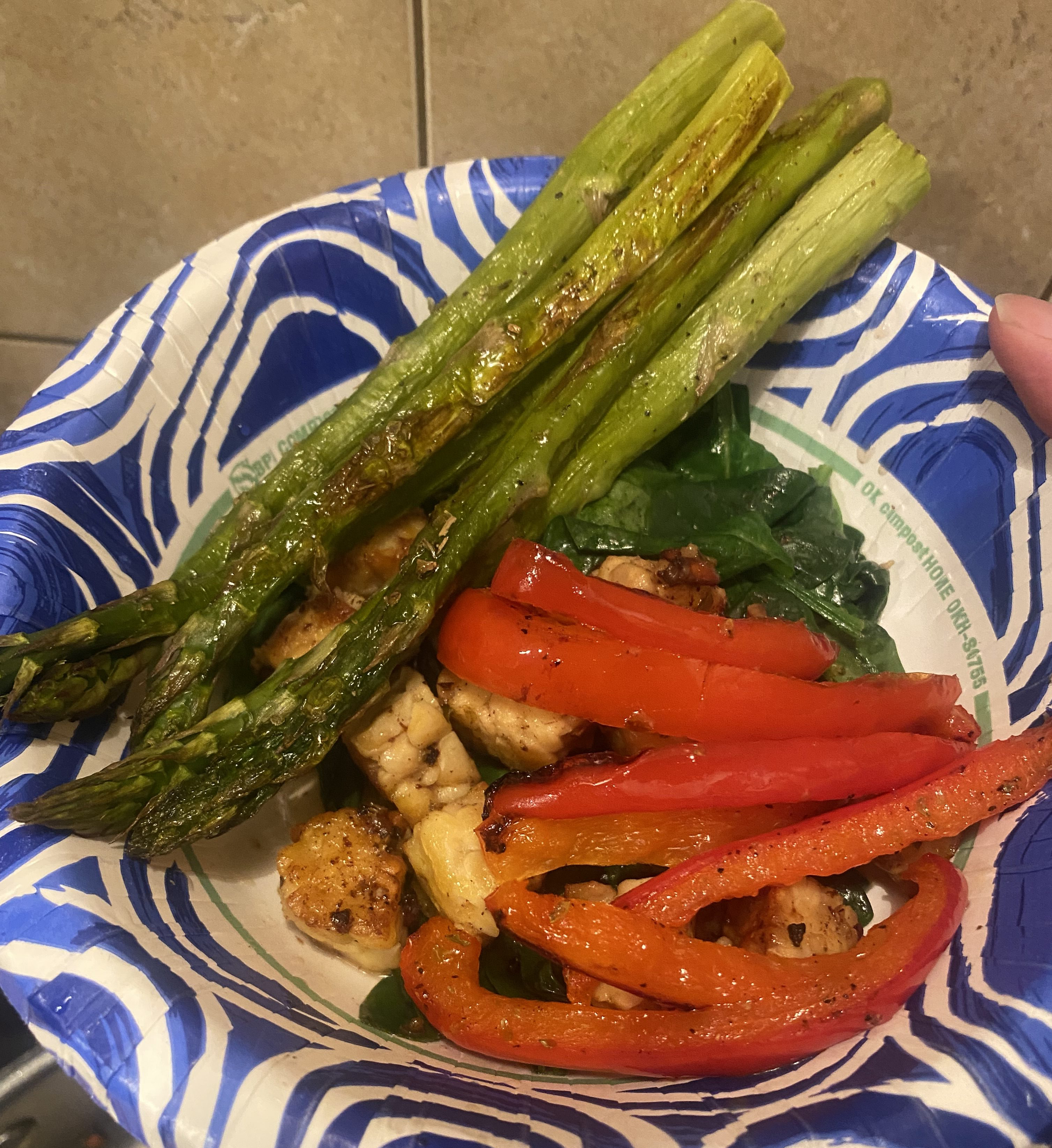
If this looks familiar, it’s because this is the broader idea behind my Asparagus and Lemon Tempeh Bowl. That recipe is a great example of how this framework comes to life, but this post goes a step further, showing how you can adapt the idea to fit nearly any ingredients.
The Framework: Mix, Match, and Make It Yours
Step 1: Choose Your Protein
Pick one protein to make your bowl satisfying. Here are some ideas with flavor tips:
- Tofu:
- Press tofu for 15 minutes to remove moisture.
- Marinate with olive oil, lemon juice, minced garlic, oregano, and a pinch of salt.
- Pan-fry in olive oil until golden and crisp on all sides.
- Tempeh:
- Steam tempeh for 8-10 minutes to reduce bitterness.
- Marinate with olive oil, lemon juice, smoked paprika, garlic, and chili flakes.
- Pan-sear until browned and slightly crispy.
- Chicken:
- Rub with olive oil, garlic, lemon zest, and thyme.
- Roast at 400°F (200°C) or grill until cooked through.
- Shrimp:
- Toss with olive oil, minced garlic, lemon zest, and parsley.
- Sauté in a pan over medium heat until pink and cooked through.
- Seitan:
- Sear in olive oil with smoked paprika, cumin, and a dash of garlic powder for a smoky twist.
Cooking tip: Don’t skimp on citrus—lemon juice or zest brightens proteins and ties flavors together.
Step 2: Pick Your Veggies and Add Flavor
Choose 2-3 vegetables to roast, sauté, or wilt. Each gets its own bold seasoning.
- Asparagus: Toss with olive oil, garlic, oregano, and lemon zest. Roast at 425°F (220°C) for 12-15 minutes.
- Bell Peppers: Coat in olive oil, smoked paprika, and a dash of cumin. Roast until caramelized.
- Broccoli: Roast with olive oil, garlic powder, and chili flakes for a kick.
- Spinach: Wilt in a pan with olive oil, garlic, and a splash of lemon juice.
- Green Beans: Toss with olive oil, lemon zest, and thyme, then roast or sauté.
- Cauliflower: Roast with olive oil, turmeric, and a pinch of salt for golden, spiced florets.
- Mushrooms: Sauté in olive oil with minced garlic and thyme until browned and savory.
Cooking tip: Roasting vegetables at high heat caramelizes their natural sugars and intensifies flavor.
Step 3: Bring in the Flavor Boosters
The final step is to tie everything together with fresh, bold accents:
- Zest and Juice: Lemon is a must—it lifts and brightens the entire dish.
- Herbs: Fresh parsley, fennel fronds, or thyme for a fragrant garnish.
- Spices: Smoked paprika, chili flakes, or cumin for extra depth.
- Fats: A drizzle of olive oil before serving adds richness.
Step 4: Assemble Your Bowl
- Start with a leafy green base like spinach, or use roasted vegetables as the foundation.
- Add your cooked protein, seasoned and ready to go.
- Layer on the roasted or sautéed vegetables, each with its own unique flavor.
- Finish with a drizzle of olive oil, a squeeze of lemon juice, and any fresh herbs or spices you love.
Why It Works for Diabetes
This framework is naturally low in carbs, high in fiber, and packed with healthy fats. By focusing on non-starchy vegetables and proteins, it keeps blood sugar levels stable while delivering on satisfaction. Plus, the flexibility means you can adapt it to your needs and what’s in season, making it easy to rotate flavors and nutrients.
Meal Prep Made Easy
This framework is perfect for meal prep because you can prepare all the components ahead of time and mix and match throughout the week. Here’s how to make it work:
- Proteins: Cook a batch of your chosen protein (e.g., crispy tofu, roasted chicken, or sautéed shrimp) and store it in an airtight container in the fridge. Most proteins will keep for up to 4 days.
- Veggies: Roast or sauté your vegetables in advance. Store each type separately to keep them from getting soggy. They’ll reheat beautifully in a skillet or microwave.
- Flavor Boosters: Keep pre-squeezed lemon juice, lemon zest, and chopped fresh herbs in small containers. This way, you can brighten up your bowl in seconds.
- Assembly: When it’s time to eat, all you have to do is reheat your protein and veggies, assemble them in a bowl, and drizzle with olive oil and lemon juice.
Pro Tip: To keep everything tasting fresh, don’t mix the components until you’re ready to serve. This prevents flavors and textures from blending too early, so each bowl feels like a freshly made meal.
Meal prep with this framework not only saves time but also ensures you have diabetes-friendly meals ready to go, no matter how busy your week gets.
Example Combinations
Here are a few ideas to get you started:
- Mediterranean Bowl: Grilled chicken, roasted asparagus, bell peppers, and oregano.
- Vegan Delight: Crispy tofu, sautéed mushrooms, wilted spinach, and roasted broccoli.
- Seafood Special: Shrimp, green beans, cauliflower rice, and a drizzle of olive oil with lemon zest.
Cooking Should Be Simple
This framework lets you shop smart, reduce waste, and always have a plan for what’s in your fridge. Whether you’re working with fresh produce or odds and ends, it turns simple ingredients into something satisfying and delicious.
Leave a Reply