Category: Starting out
-
How I Lowered My Fasting Glucose (and What the Research Says)
For a long time, my morning blood sugar sat higher than I wanted. I was already eating low carb, avoiding sugar, and making healthy choices, but I’d still wake up to numbers around 117. Not terrible, but not where I wanted them. Eventually, I found a combination that consistently keeps my fasting glucose between 90…
Written by
·
-
Essential Diabetes Terms
Essential Diabetes Terms You Should Know Managing diabetes can feel overwhelming, especially with all the medical jargon and new concepts. Whether you’re newly diagnosed or supporting a loved one, understanding these terms is an important first step. This guide breaks down the essential diabetes-related terms into simple, clear explanations to help you navigate your journey…
Written by
·
-
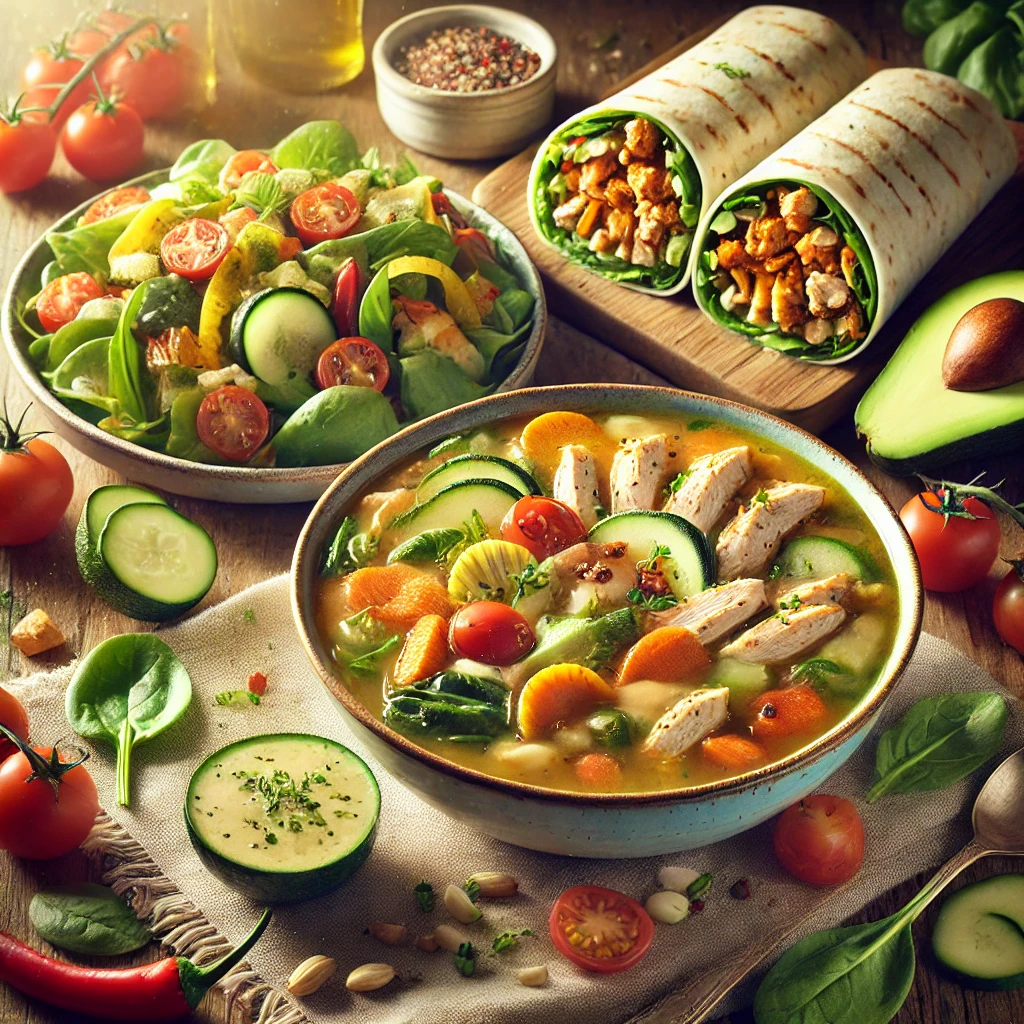
How to Make Low-Carb Meals Look Abundant and Exciting
Focus on dishes that feel abundant, not just healthy. The problem with many low-carb dinners isn’t the food—it’s how they look. Picture the typical plate: a small chicken breast, a few spoonfuls of cauliflower mash, and a handful of green beans. It might be nutritionally balanced, but it doesn’t feel like enough. It’s uninspiring, and…
Written by
·
-

What Exactly Is a Low-Carb Diet?
Doctors often tell type 2 diabetic patients to eat a low-carb diet to manage their blood sugar. But what exactly is a low-carb diet? Is it simply cutting out bread, pasta, and desserts? Or is it something more nuanced? Let’s break it down. A low-carb diet focuses on reducing the intake of carbohydrates, which are…
Written by
·
-

Fiber: Why I Subtract It (and Why It’s Not Perfect Science)
I’ve met a number of people who meticulously count total carbs, arguing against the idea of subtracting fiber to calculate net carbs. While everyone’s bodies respond differently to food, I want to offer a counterpoint: fiber isn’t just “not sugar”—it’s an incredibly important part of how we eat, and it’s unfair to lump it in…
Written by
·
-
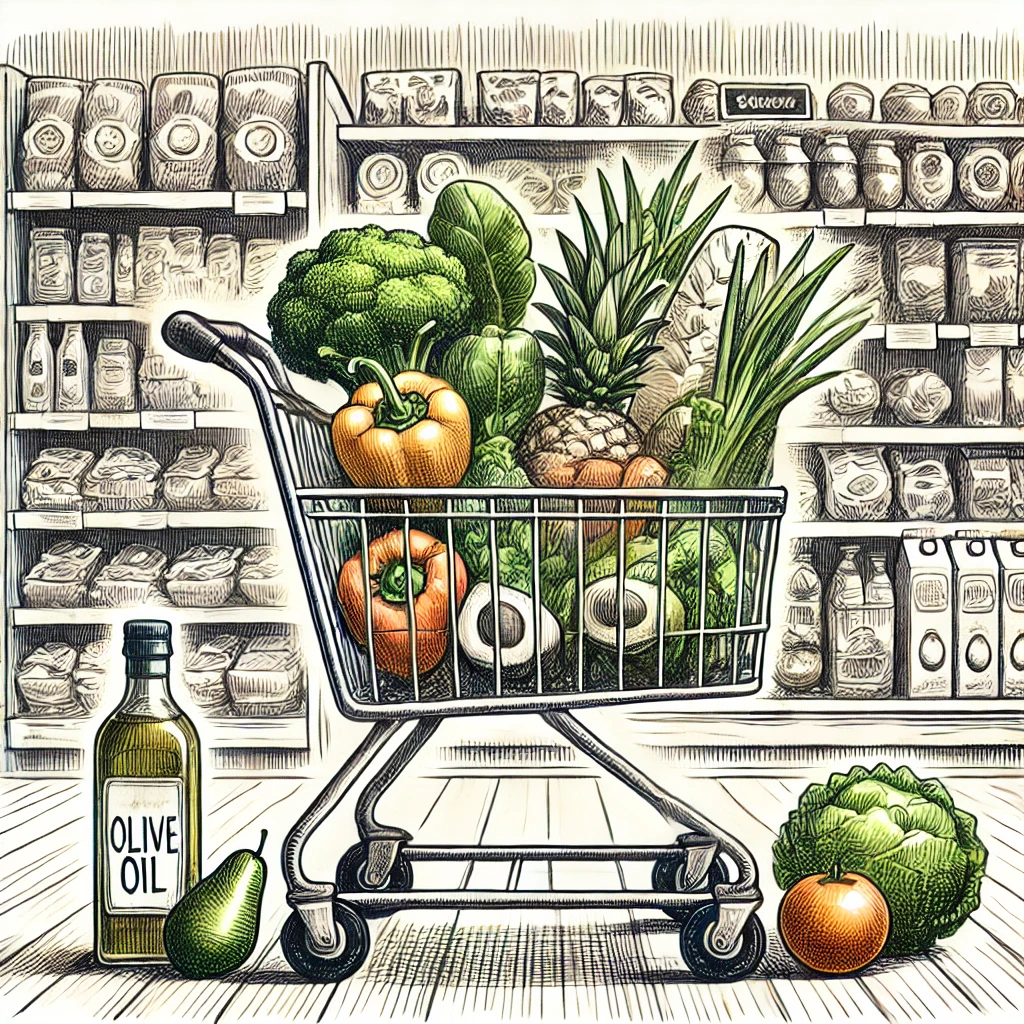
How to Choose Diabetic-Friendly Foods at the Grocery Store
Being newly diagnosed with diabetes can feel overwhelming—especially when it comes to grocery shopping. What’s safe to eat? What should you avoid? A great place to start is with whole, minimally processed foods like fresh vegetables, healthy fats, and lean proteins. These allow you to control ingredients and avoid hidden sugars. But even with whole…
Written by
·
-

Energize Your Morning: Diabetes-Friendly Breakfast Ideas
Start your day with a nutritious, diabetes-friendly breakfast! From creamy Greek yogurt bowls and veggie-packed egg scrambles to chia seed pudding and avocado wraps, these low-carb, high-protein recipes are designed to keep your blood sugar stable while satisfying your taste buds. Discover simple, delicious ways to energize your mornings with healthy choices!
Written by
·
-
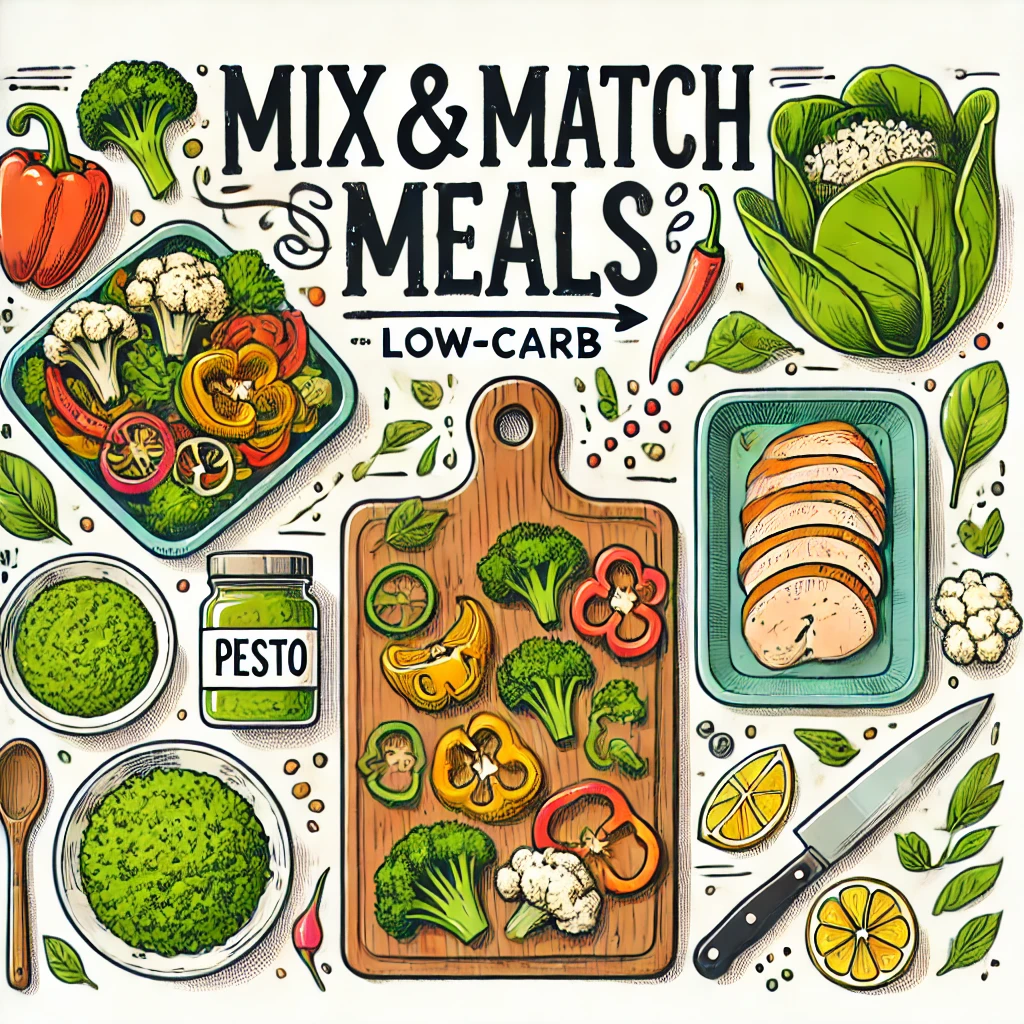
Meal Prep Made Easy: Low-Carb Veggies & Lean Proteins for Quick Weeknight Meals
Prep low-carb veggies and lean proteins in advance to make weeknight meals a breeze! Roast, steam, or sauté vegetables and cook versatile proteins like chicken, fish, or tofu. Mix and match for soups, stir-fries, salads, or bowls. Healthy, delicious meals are just minutes away with this simple meal prep approach!
Written by
·
-

Diabetes-Friendly Snacks: Satisfy Your Cravings Without Spiking Blood Sugar
Managing diabetes includes intentional snacking alongside meal planning. While minimizing snacking is ideal, healthy low-carb and low-sugar options can help maintain energy. Suggested snacks include veggies with dip, Greek yogurt, nuts, and berries. Portion control is essential to maintaining blood sugar levels. Mindful snacking supports diabetics in achieving their goals.
Written by
·
-
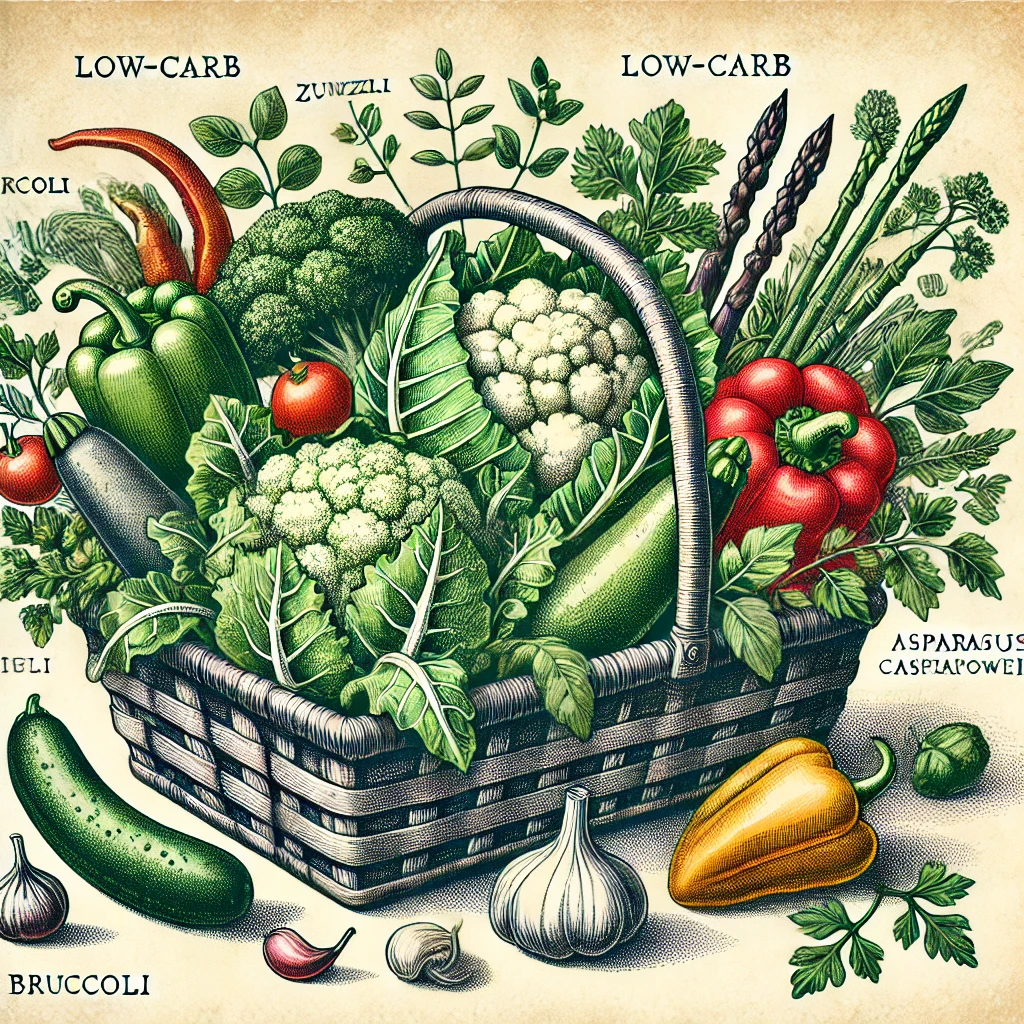
Low-Carb Vegetables and Why They Matter for a Diabetic Lifestyle
Low-carb vegetables are essential for people managing diabetes and following low-carb diets due to their low digestible carbohydrate content. They support blood sugar control, promote fullness, and provide vital nutrients without excess carbs. Recipes in Diabetic Kitchen Diary focus on these vegetables, ensuring flavorful, diverse meals that align with dietary goals.
Written by
·